Triangle
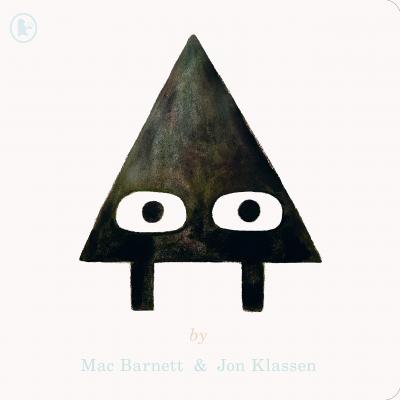
This book takes a simple pair of journeys by two naughty characters and makes a charming narrative of it. A sort of Zen Tom and Jerry, perhaps! The basic narrative is that titular character Triangle, who lives in a triangular house in a triangular terrain, decides to play a trick on their friend Square.
This trick, which makes Square think there are scary snakes outside, results in a chase back across the countryside. The palette is muted, almost Japanese in feel, with different shades of brown, blue and grey dominating, and the forms the landscape takes are evocative of hills, boulders and rivers, rather than directly depicting them. The characters themselves are depictions of their shapes, but their eyes offer a lot to the reader, as when Square’s eyes show annoyance, as they realise Triangle’s trick.
On their return to Triangle’s house, Square cannot get in, because of the shape of the door. Triangle becomes scared because no light enters the house because of Square. Square says this was their plan all along, but the reader is asked directly by the narrator whether they believe this was the case. This means that the book has ideas about truth and lies, deceit and trickery at the centre. It encourages the reader to think about their view of the characters’ actions. It also offers points of discussion about shapes and colours, given that the landscape is filled with ‘shapes with no names’ in contrast to the homes and bodies of the characters.